Guide 07 · 5 min read
Sod vs Seed in Chandler, AZ
Sod gives you a lawn in a day and needs water from minute one. Seed costs pocket change and needs weeks of calm. In Chandler the monsoon picks the seed window, and the HOA often picks sod for you.
All yard guidesGood to know
The short answer
If the lot is bare now, the HOA has a deadline, or the house is going on the market, sod is the answer and it costs real money. If you have patience, a flatter budget, and no compliance deadline, seed can work if it goes down in the right month. Both fail the same way: planted at the wrong time in this climate. The right choice depends on the soil, the calendar, and what your community's rules allow.
Good to know
Sod: what it actually is
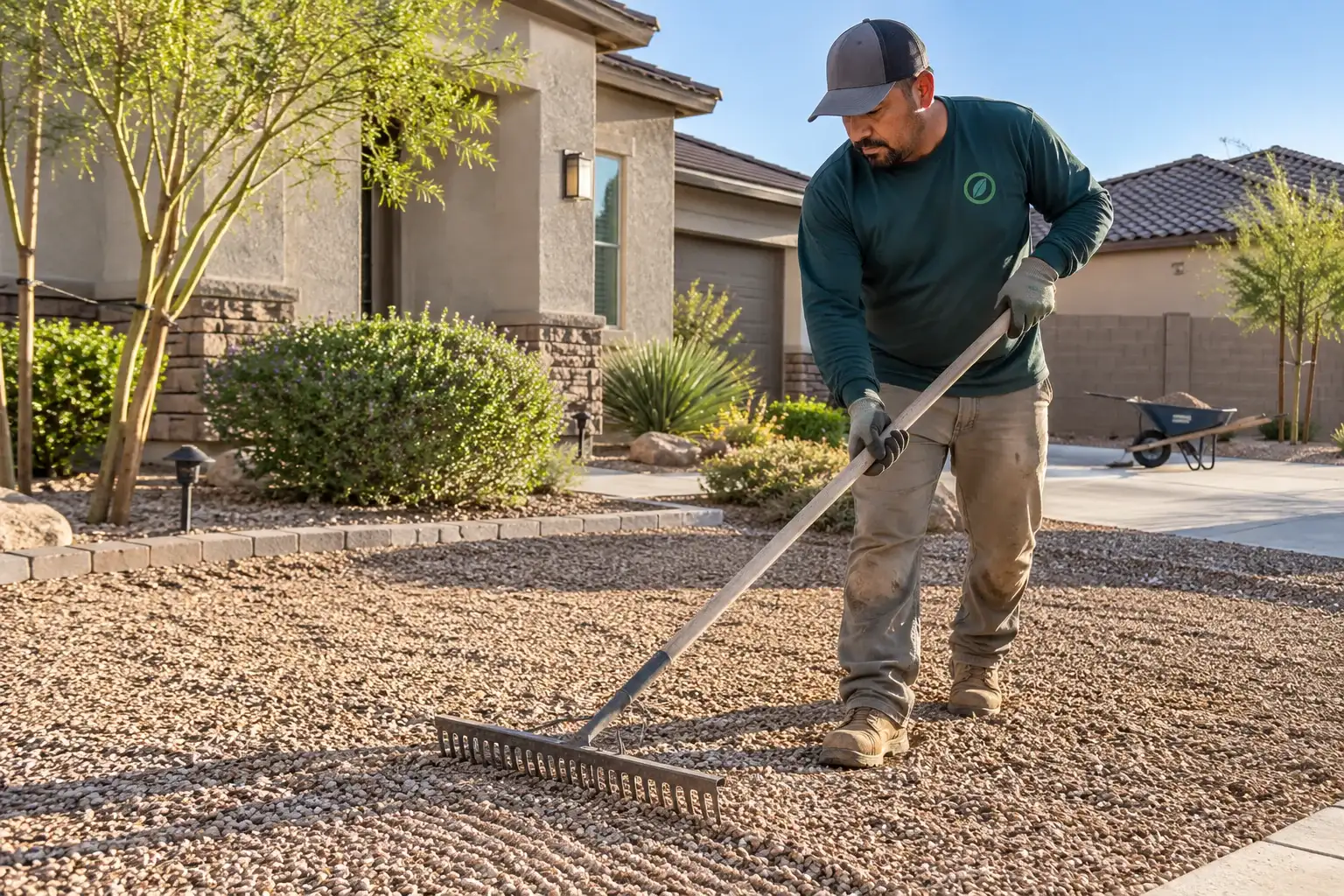
Sod is mature grass with roots and a thin soil layer, cut at a farm and rolled onto prepared ground. It has to root into your soil within days, so the first two weeks mean daily watering, twice a day in summer. The strips knit at the joints, and in a month you have a closed lawn.
What you are buying is the growing season someone else already spent. That is why sod is the compliance play: when the HOA wants groundcover in place, or the bank wants curb appeal before appraisal, sod delivers a finished surface in a day. It is also why sod costs what it costs. Someone watered, mowed, and grew it for months before you bought it.
Good to know
Seed: what it actually is
Seed is the raw material, thousands of tiny grass seeds raked into prepared soil. It has to germinate, root, and grow into a lawn over four to eight weeks, and until it does the yard is dirt, patchy dirt, then thin green. Water has to be light and frequent at first, because a seed sitting in a puddle rots and a seed sitting in dry soil never wakes up.
In zone 9b, seed means warm-season grass like bermuda, planted when soil temperatures are reliably warm. The window matters more than the product. Seed planted in the wrong month is not a slow lawn, it is a failed one, and the yard stays dirt through a monsoon that washes the seed down the street. Seed also brings weeds with the opportunity. Bare soil for six weeks is an open invitation, and the bermuda you planted competes with every weed the monsoon waters in. A seeded lawn needs a plan for those weeks, or the lawn that fills in is half weeds.
Mistakes
Where sod fails here
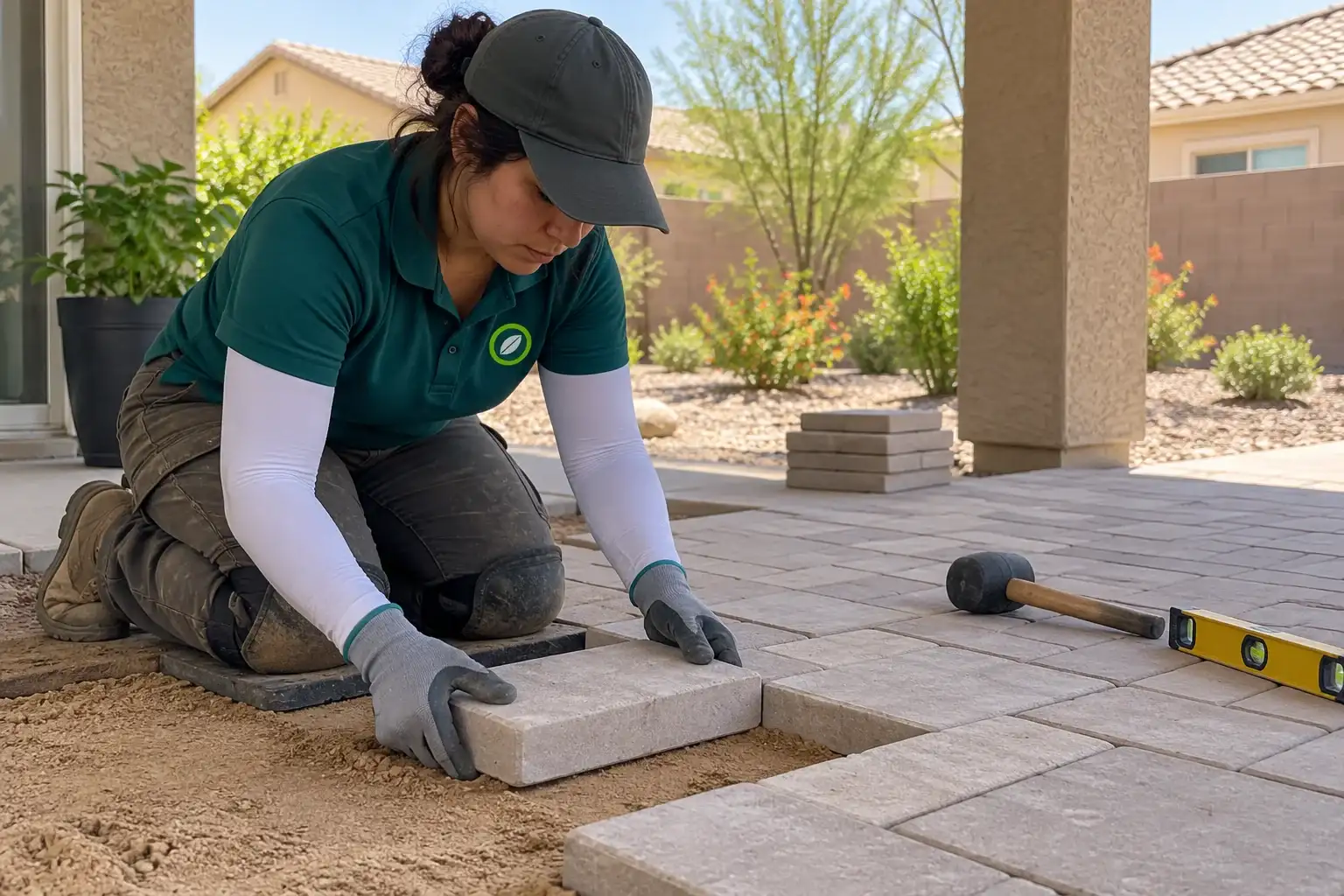
Sod fails on establishment in Chandler heat. A strip laid at five in the afternoon in July can be cooked by the next afternoon if it is not kept wet, and the first month's water bill is the part nobody quotes. Parts of Chandler irrigate with reclaimed water, which runs saltier than drinking water, and new roots feel those salts before they grow deep.
Caliche under the newer subdivisions is the quiet killer. If the caliche was not opened up and the topsoil not prepped, roots sit in a thin layer that dries in a day and never reaches moisture below. The sod greens up, then thins and patches by year two. HOA neighborhoods push sod because it is fast and compliant, but fast sod on bad prep is an expensive redo. If you are weighing artificial turf vs real grass, the prep question is identical. The water schedule is the make-or-break detail. Sod laid in spring roots in about ten days if it stays damp. Sod laid in July needs water twice a day and can still cook, and the bill lands the same month the AC bill does. The material is not the risk. The calendar is.
Mistakes
Where seed fails here
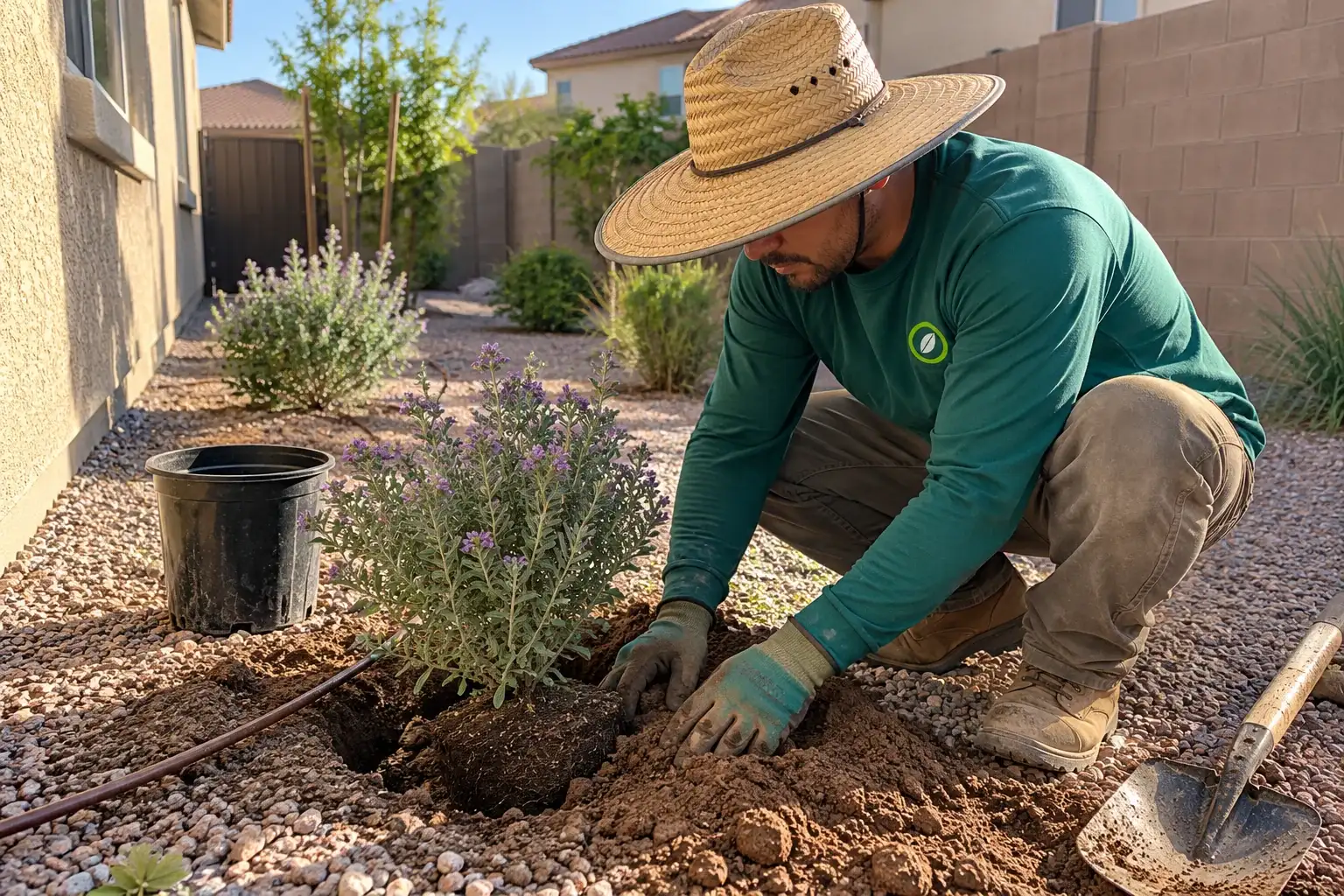
Seed fails on timing and weather in Chandler. The monsoon runs July through September, and a bare seeded yard in that window loses its seed to sheet flow in one storm. The birds and the wind get their share too. Planting too late in the year means the grass never establishes before the winter cool-down, and the yard stays thin until spring.
Seed also fails on patience, and HOAs are short on it. In Chandler's master-planned communities, a front yard that sits as bare dirt for six weeks while seed establishes is exactly the kind of thing that draws a notice. The grass itself is not the problem. The window, the storm season, and the compliance deadline are. Zone 9b gives seed two usable windows, and the best one is easy to miss. The spring window closes when the heat arrives, and the fall window collides with overseed season and the first cold snap. Miss both and the seed sits in the garage until next year while the yard stays dirt.
Costs
What it costs and what drives the number
Seed runs a few cents per square foot, which is why it wins every budget conversation. The honest math includes the water both need during establishment, and the weeks of bare dirt seed costs you. Sod front-loads the money. Seed front-loads the time. The rest of the line items sit in what landscaping costs in Chandler. Both prices move with the same underlying costs: the prep, the caliche work if the dig hits it, and the water during establishment. Seed's real cost is six to eight weeks of dirt and the erosion repairs after each storm. Sod's real cost is the material and the instant water demand.
Good to know
What good work looks like in Chandler
- Planting to the window, because seed in July or sod in a heat spike are both money burned.
- Checking the HOA deadline first, since the community rules often decide the question for you.
- Prepping the caliche before anything is planted, so roots get past the thin topsoil.
- Planning the establishment water, reclaimed or potable, before the first strip or seed goes down.
6 questions
Sod vs Seed: your questions
Still have a question? Call (747) 243-2089 and describe the yard.
Can I seed a lawn in a Chandler summer?
Bad idea. The heat and the monsoon both work against a young lawn, and the seed washes or cooks. Late spring and early fall are the kinder windows in zone 9b.
Does sod use more water than seed?
During establishment, yes, because mature grass with cut roots needs daily water or it dies. Seed needs frequent light water too, but in smaller amounts, and it gives you weeks of dirt for the savings.
Will the HOA flag a bare yard while seed grows?
They can. Chandler's master-planned communities expect groundcover in place, and a front yard that sits as dirt for six weeks is a common trigger for a notice. Sod is usually the fast compliant path.
Is seed really cheaper once water is counted?
Usually, but not by as much as the per-square-foot price suggests. The savings come from the material. The water and the waiting both cost something.
Which handles a Chandler summer better once established?
They end up equal, because they are the same grass. A bermuda lawn from sod and a bermuda lawn from seed face the same July heat. Sod just gets you there in a month instead of two.
Does caliche matter for grass?
Yes. Grass roots need to get through it or around it. If the caliche is not opened up before planting, sod and seed both end up rooting in a thin layer that dries out daily.
Contact