Guide 06 · 5 min read
What Happens When the HOA Rejects Your Front Yard in Chandler?
The yard is done. The plants are in, the rock is spread, the new tree is staked. Then the notice lands: two shrubs are not on the approved plant list, the rock coverage exceeds the limit, and the tree is too close to the neighbor's wall. The yard has to change, and you pay for it twice. This happens every month in Chandler's master-planned communities, and it almost never has to.
All yard guidesCosts
The moment the yard costs twice
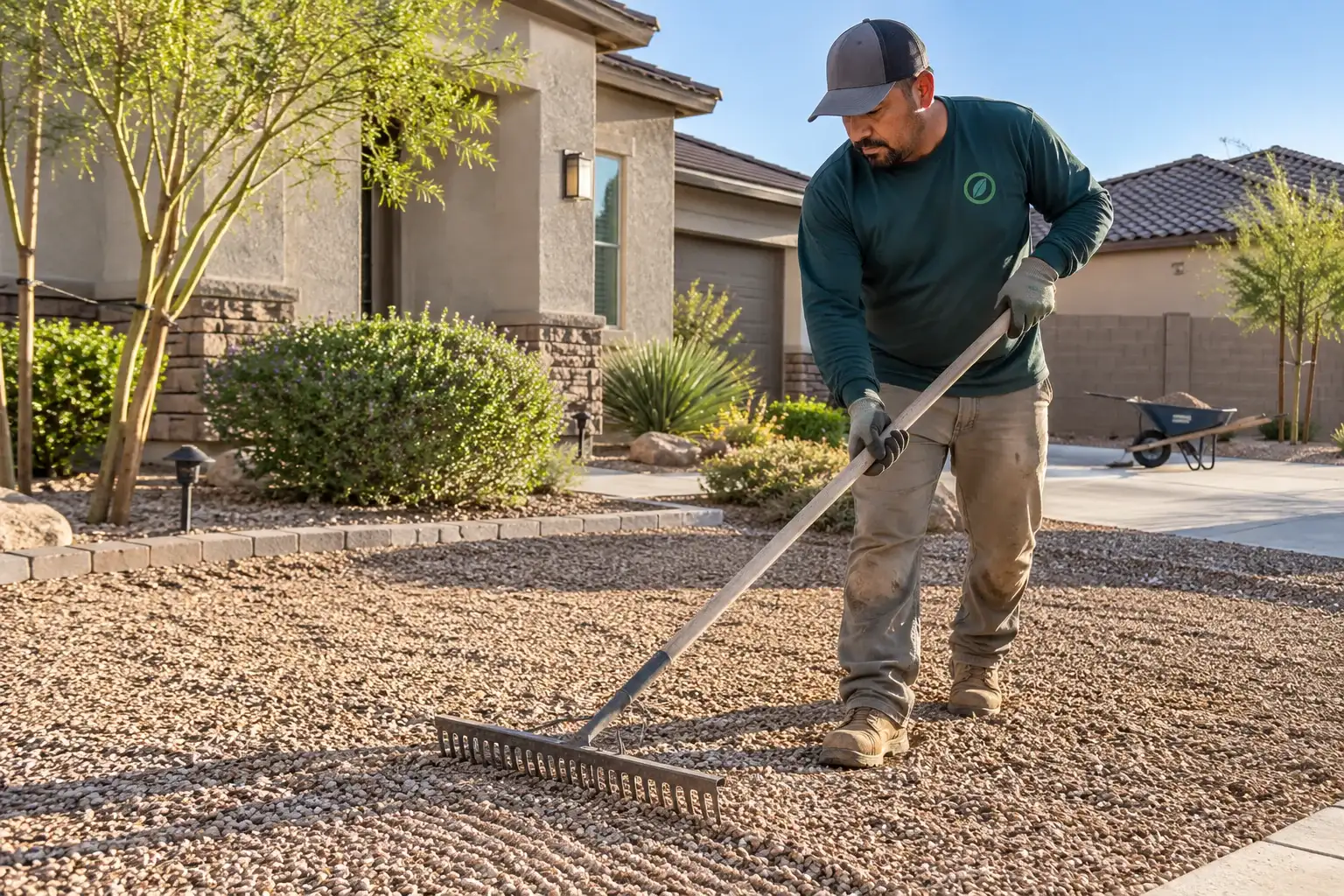
Here is the sequence, because it is always the same. The work goes in first. The approval was never filed, or it was filed after the crews arrived. The community manager walks the street, checks the yard against the plant list, and flags it. Now the unapproved plants come out, the rock ratio gets adjusted, and the tree gets moved or replaced, all at the homeowner's expense, plus whatever the first pass cost.
Nobody set out to break the rules. The plant list was never read because nobody said it mattered, and the yard looked reasonable, so it went in. The HOA does not care about reasonable. It cares about the list. That is the whole story: a governed front yard runs on the list, and the list is checked after the fact.
Good to know
Why Chandler is different
Chandler is newer than most of the Valley, and its growth came through master-planned communities, which means detailed HOA plant lists as standard equipment. Front yard plant lists, turf limits, wall heights, sometimes the color of a garage door: all governed, all written down, all enforced. The approval is supposed to come before the work, not after.
The rules are not a hidden trap, they are a written document you can hold in your hand. The trap is the sequence. When the design review is skipped, the community has to enforce what was never checked, and the homeowner who skipped it is the one holding the bill. The second pass always costs more than the approval would have.
How it works
What gets flagged, in order of frequency
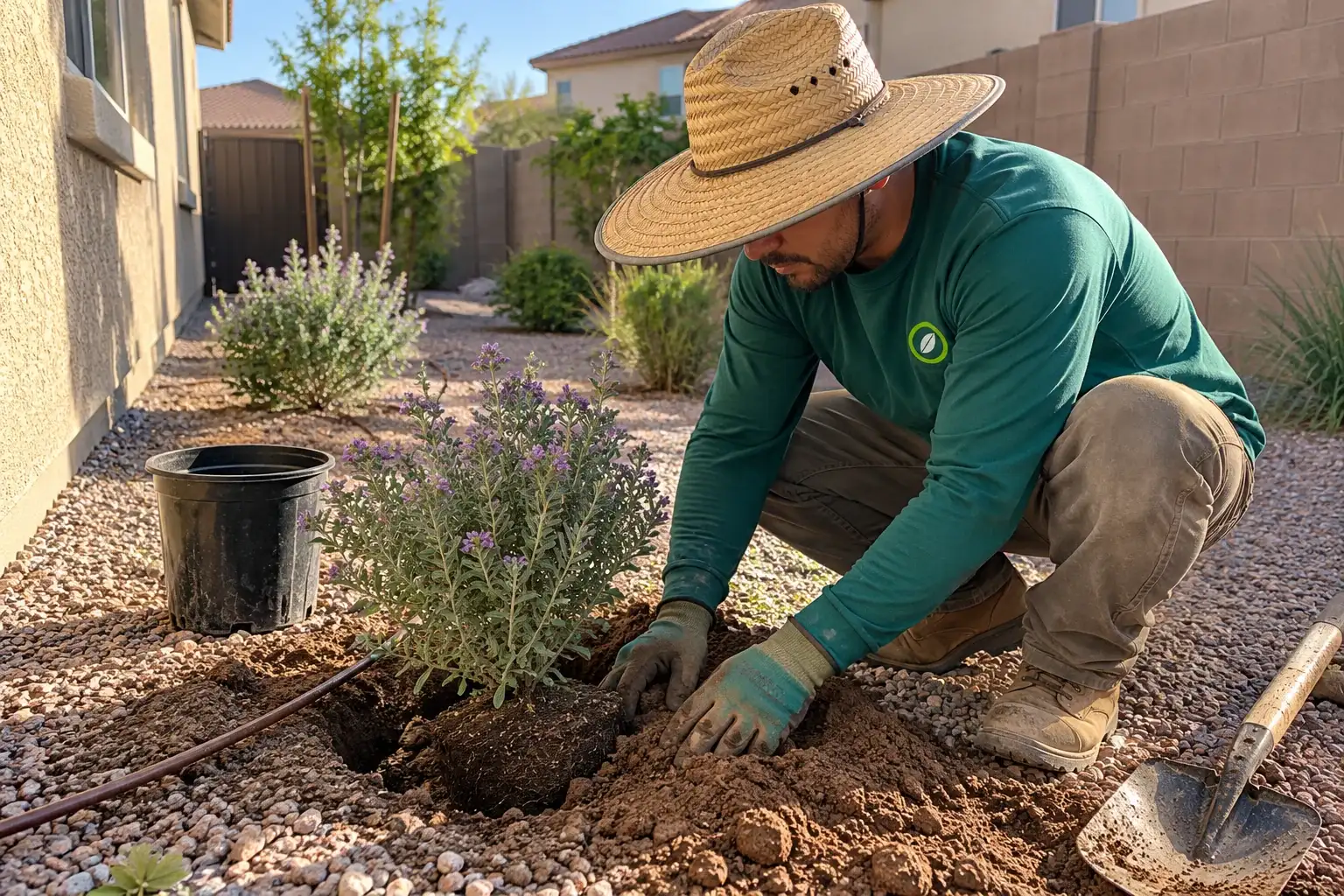
Plants come first. A shrub that looked fine at the nursery is not on the list, or the list specifies sizes and the five-gallon versions were not approved. Turf comes second: many communities cap artificial turf in front yards or restrict it to side yards, and a full turf front yard is the single most common rejection in newer subdivisions. Rock coverage comes third, because some communities mandate it and some cap it, and the ratio is written down.
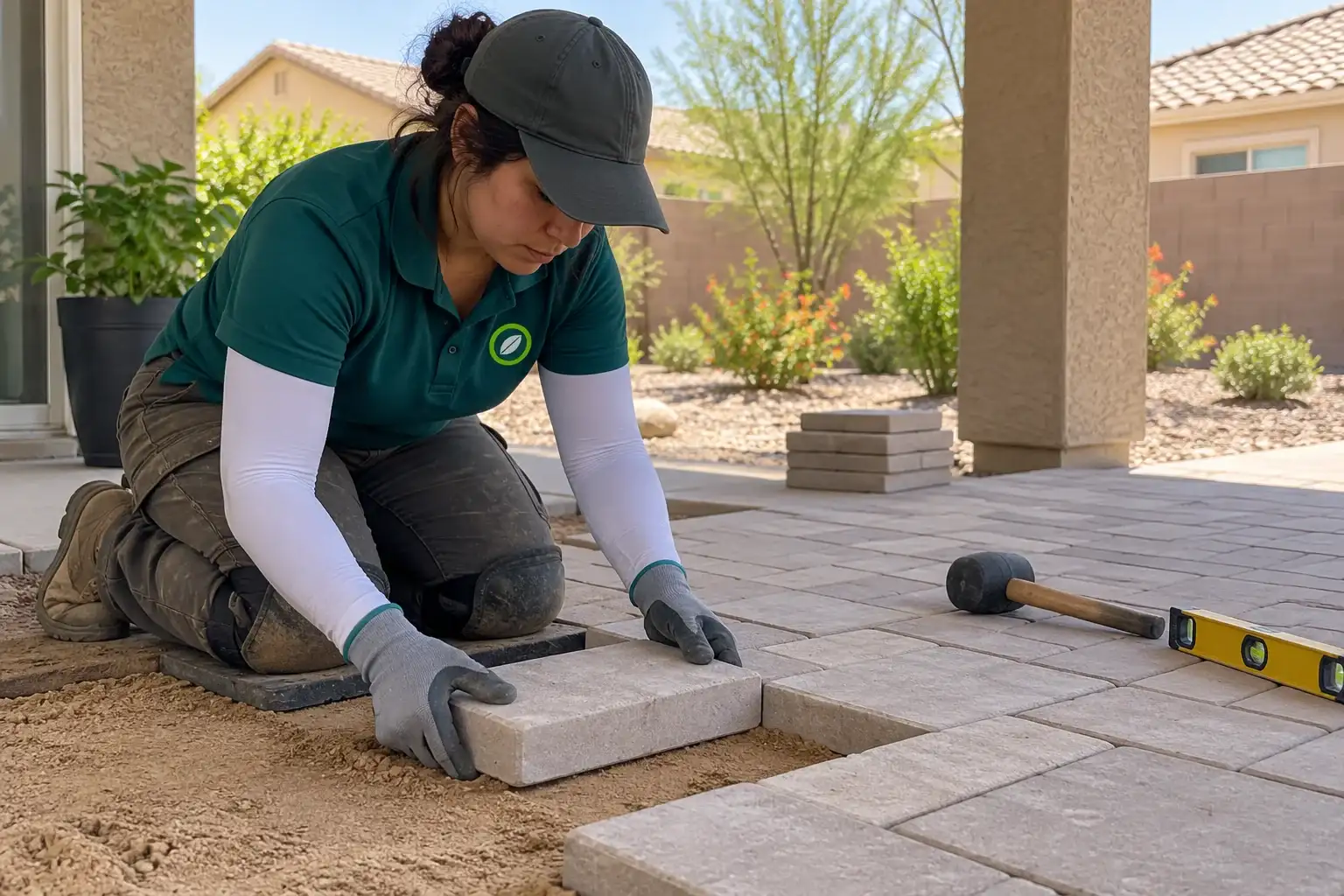
Then the structural stuff: a tree planted too close to a shared wall, a bed that changed the drainage against the neighbor's lot, a hardscape edge that runs past the setback. None of it is exotic. All of it is in the documents, and all of it reads differently after the check than it did at the nursery.
Good to know
The mechanism that makes it expensive
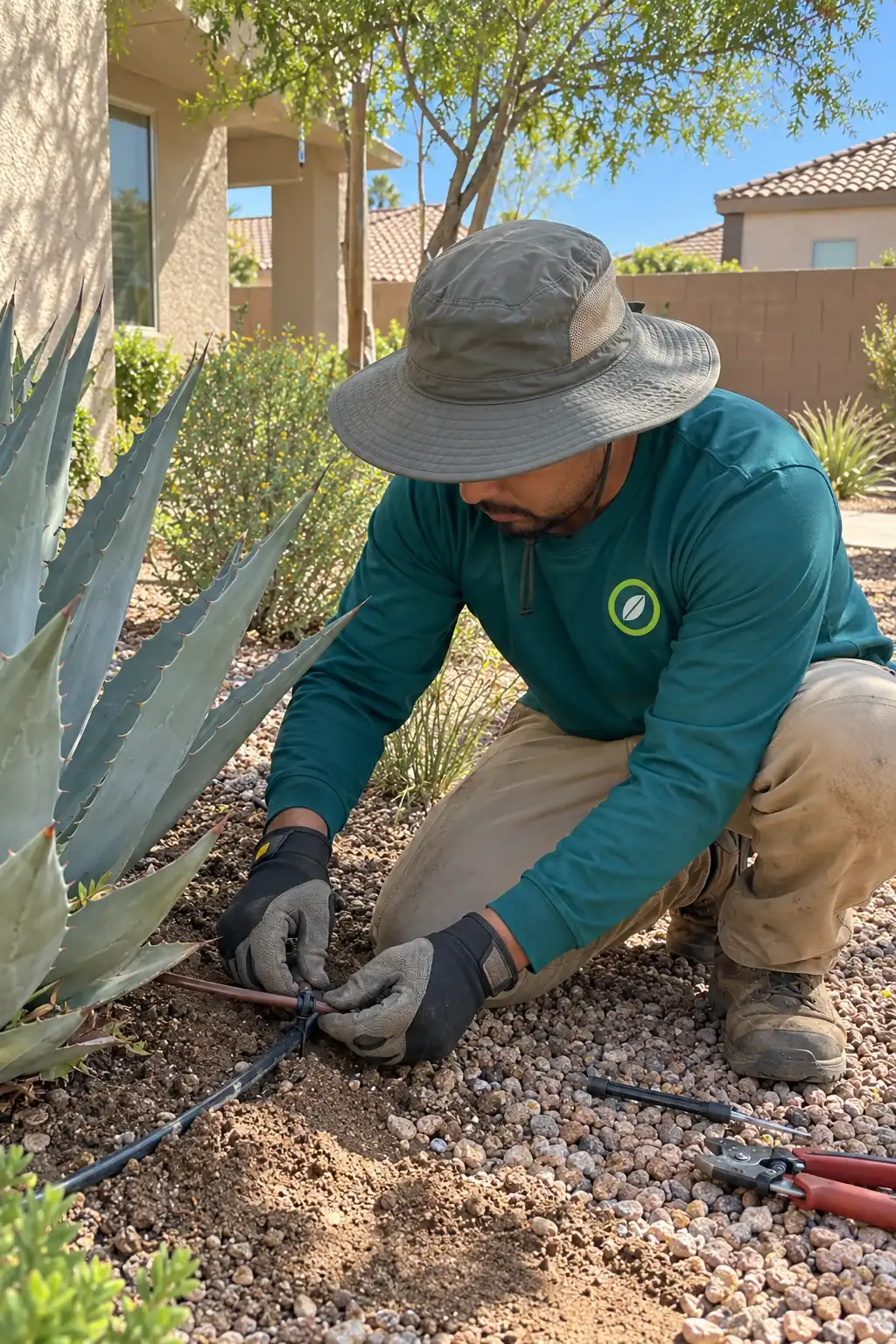
The cost doubles because the second pass is corrective, and corrective work is always worse than first work. Plants come out with the roots and go to waste, or they survive and get shifted to a place that was never prepped for them. Rock has to be pulled back, which means re-edging and re-compacting what was already compacted. The tree move is the worst: a tree planted too deep has its root flare buried, and moving it a year later finishes the job the first planting started.
The water story is part of it too. Chandler's newer subdivisions sit on caliche, and every planting hole opened twice costs twice, because the caliche does not get softer the second time. The irrigation that was sized for the first layout gets patched and repatched until one side drowns and the other starves, the classic conversion failure in its purest form.
Planning
What to check before anything gets dug
Pull the plant list from the community office or the management company, and read the plant names, not the pictures. Check the turf limits in writing, because the sales pitch in your head is not the rule. Check the rock ratio, the setbacks, and the wall rules. File the design review with a plan that matches the list, and wait for the approval before the crews arrive.
If the yard is already flagged, get the violation in writing and find out what the cure actually is. Some violations are fixed by swapping two shrubs. Some are structural, and fighting those costs more than complying. The fastest path out of a flagged yard is usually the cheapest path, because the meter keeps running on an unapproved front yard.
Planning
How to build a yard that passes the first time
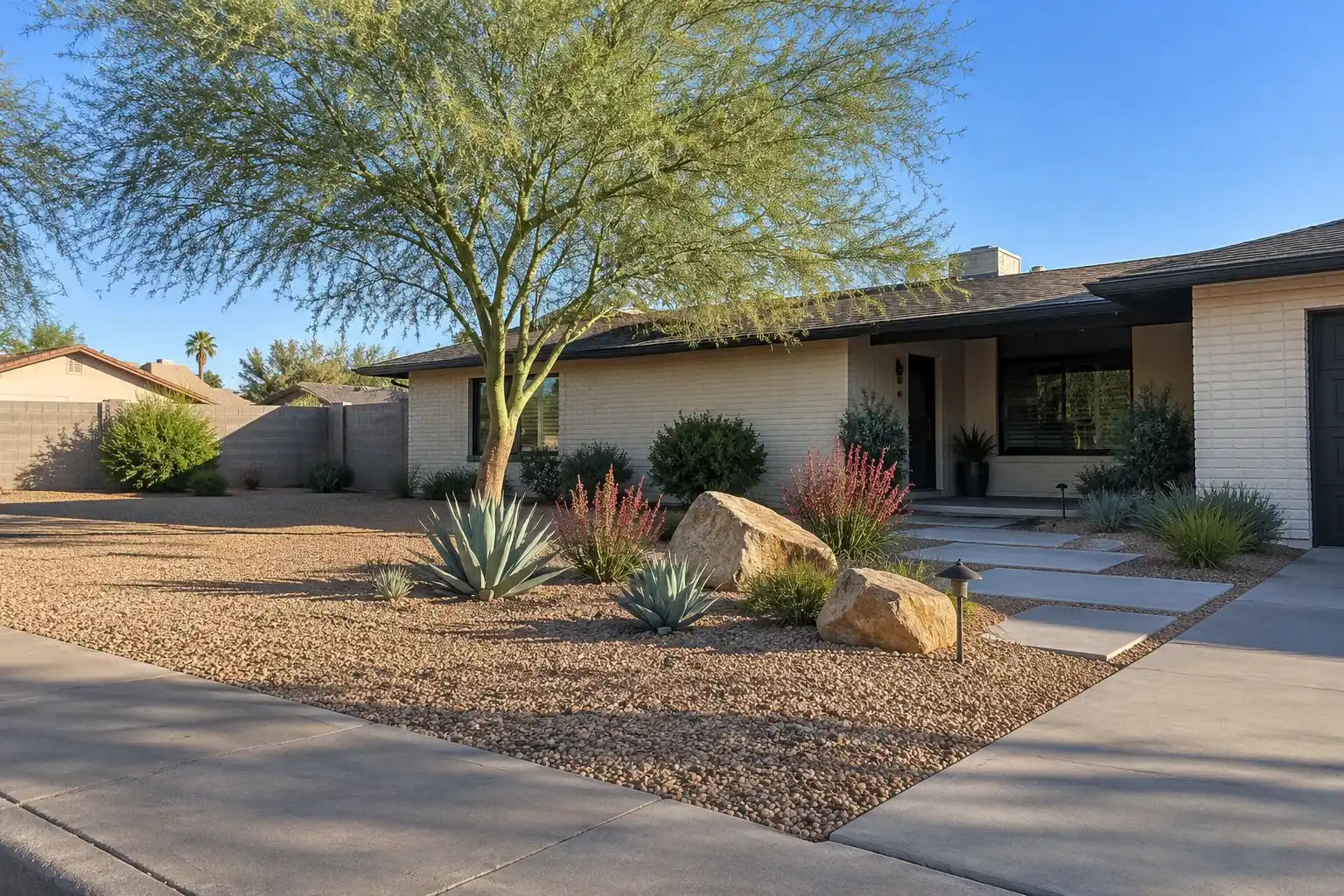
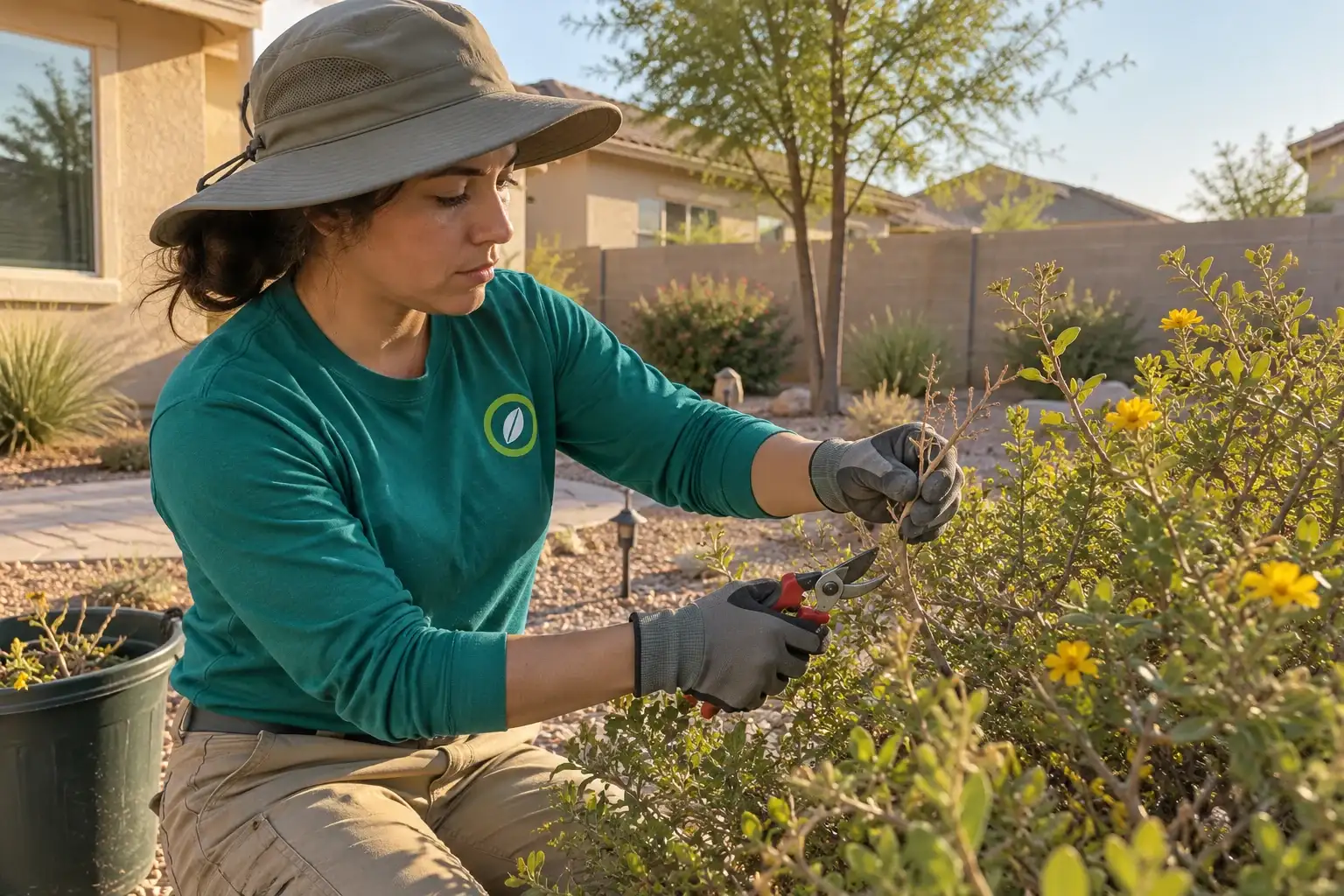
Build to the list, not to the brochure. Pick plants from the approved palette, in the approved sizes, in the approved zones, and the front yard is not a gamble anymore. Use a xeriscape structure if the list leans desert, and see xeriscape vs gravel for how a plant-first design fits a governed front yard. Keep the turf decision inside the written limits, and the artificial turf vs real grass comparison matters more in Chandler than anywhere, because the HOA has an opinion on it.
The paperwork is the cheapest part of the job. It costs a few days and a filing fee, if there is one at all. The redo costs a second install, a second irrigation pass, and a second summer of establishment. The approval is not the red tape in this story, the skipped approval is.
Rules
The same rules one neighborhood over
The pattern repeats across the Valley's governed communities, with the same failure: work first, approval after, bill doubled. If you are comparing how communities handle front yards, the rule set in Ahwatukee runs the same way, and the plant list is the same kind of document. See landscaping in Ahwatukee for the neighbor version of the same story.
6 questions
What Happens When the HOA Rejects Your Front Yard: your questions
Still have a question? Call (747) 243-2089 and describe the yard.
What does it cost when the HOA rejects a front yard?
The redo always costs more than the approval would have. The plants come out at full purchase price, the rock work is paid for twice, and a moved tree usually dies, so the money and the tree both go.
Can the HOA make me remove plants I already paid for?
If the plants are not on the approved list and the approval never happened, yes. The community has to enforce the written standard, and the enforcement falls on the yard, not on the intent.
How do I find my community's plant list?
Through the management company or the community office. It is a written document, usually downloadable, and it names the allowed plants, the turf limits, and the rock rules.
Does every Chandler neighborhood have an HOA?
Not every one, but the newer master-planned communities almost all do, and they are the bulk of the city's lots. Older pockets and some county edges run without one.
Is artificial turf allowed in Chandler front yards?
It depends on the community, which is the whole problem. Some allow it, some restrict it to side and back yards, some cap the ratio. The limit is written down, and the only wrong move is not reading it.
What if the yard was flagged before I bought the house?
You usually inherit the violation with the deed, so it gets resolved at closing or it becomes yours. Checking the community file before you close is the cheap version of this lesson.
Contact